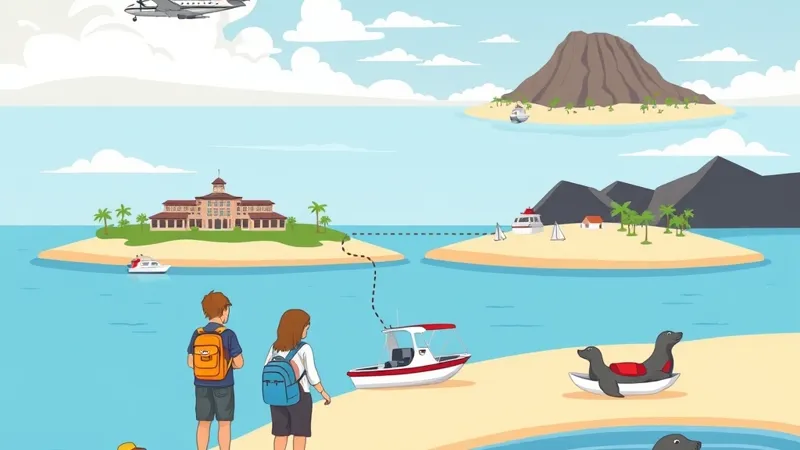
Is the Galápagos safe for a land-based holiday?
A useful Galápagos safety assessment separates island conditions from mainland airport transfers and overnight stays. A mainland warning does not automatically describe Santa Cruz or San Cristóbal, but island travel is not risk-free.
For a land-based holiday, practical concerns include petty theft, rough sea crossings, sun exposure and limited specialist healthcare. Your mainland route, accommodation access, swimming ability and medical needs matter more than a blanket description of the destination as safe or unsafe.
Check your own government’s Ecuador advice before booking and departure. British travelers can start with the FCDO Ecuador travel advice; other nationalities should consult their national equivalent. Read the regional detail, not just the headline.
How should you interpret Ecuador travel advisories?
Read advisories geographically and distinguish recommendations from restrictions that affect your insurance or itinerary. Governments use different categories; their warning levels are not interchangeable.
- Nationwide advice: Read the overall security, entry, health and transport guidance. An island itinerary does not remove the need to consider national requirements.
- Named regional restrictions: Match the exact places mentioned against your airport, hotel and transfer route. Do not extend a mainland regional warning to the islands by assumption.
- Galápagos guidance: Look for explicit island references and general advice that still applies there. Absence from a restricted region is not a guarantee of safety.
- Mainland transit: Check whether an airport-transit exception applies to your actual booking. An airside exception does not establish that a hotel transfer or city stay is covered.
Consult the US State Department, UK FCDO, Australian Smartraveller or Canadian travel advice according to your nationality. Italian, French and German travelers should use Viaggiare Sicuri, France Diplomatie and the Federal Foreign Office respectively. A translated travel article is not a substitute for national advice.
How can you plan safer mainland transits?
Choose a connection you understand operationally, rather than assuming every airport stop involves the same exposure.
Remaining airside: Ask the airline whether your booking permits this, whether baggage is checked through and whether any document checks require leaving the transit area. A flight’s Guayaquil stop is not equivalent to an independent city visit.
Collecting bags or changing terminals: Establish where you must go and whether you enter public areas. Use the airline’s connection requirements, with additional allowance for separate tickets and delays—not a universal minimum.
Staying overnight: Prearrange a licensed transfer, confirm the pickup point and favor daylight arrivals where practical. Ask a Quito airport hotel whether it is genuinely near the airport rather than in central Quito; airport and city locations also differ in altitude.
Official Quito Airport and Guayaquil Airport information should guide terminal arrangements. Get a property-specific route and traffic-dependent transfer estimate from your hotel. See our getting-there guide for the broader journey.
What precautions matter in the island towns?
Use ordinary theft precautions and assess accommodation access individually in Puerto Ayora and Puerto Baquerizo Moreno; neither should be treated as crime-free.
Keep passports secured when not needed, carry only necessary cash and avoid leaving phones unattended. Choose an ATM where you can withdraw discreetly. After dark, use a well-lit route and arrange transport if the walk feels isolated or unfamiliar.
For either town, ask about reception availability, late check-in, door security and the actual walking route to the passenger pier. Compare island hotels by these practical details, not simply by a “central” label.
A Santa Cruz hotel stay does not itself solve arrival logistics: Baltra transfers are a separate chain involving the airport, channel crossing and onward road transport. Check applicable visitor-entry guidance with the Galápagos Governing Council.
How should you prepare for inter-island speedboats?
Treat inter-island speedboats as open-water transport, not as cruises or short harbor water taxis. Crossings can be rough, and boarding may involve steps, moving boats and luggage transfers.
For both Santa Cruz–San Cristóbal and Santa Cruz–Isabela, obtain written confirmation of the departure pier, check-in deadline, expected crossing duration and any water-taxi connection. These details should come from your booked service, not a generic timetable.
Confirm life-jacket provision and fit, including suitable equipment for children. Keep documents, essential medication and electronics in a small protected bag; clarify who handles larger luggage. Ask a clinician or pharmacist about motion-sickness preparation when appropriate.
Consult INAMHI weather information and INOCAR marine information, but forecasts cannot guarantee a safe or comfortable crossing. Conditions can change departure arrangements and journey times. Do not build a tight onward flight connection around a boat arrival.
What precautions apply to snorkeling and wildlife?
Choose water activities according to the specific site, conditions and your swimming ability. No general description makes every Galápagos beach suitable for swimming.
Ask about currents, surf, entry and exit points, slippery lava and boat traffic. A flotation aid does not replace competent supervision. Tell the guide about limited swimming confidence before entering the water, and ask whether sitting out is possible.
Follow the Galápagos National Park Directorate’s visitor rules on wildlife distance and conduct. Never approach animals to obtain a photograph or obstruct their movement.
Wildlife sightings are frequent but never guaranteed. Visit sites and landing points are assigned by the Galápagos National Park; weather and park rules can change plans. No operator can promise a particular site, exact itinerary or wildlife encounter.
What healthcare limitations should visitors plan for?
Plan for local treatment without assuming specialist care or evacuation will be immediately available. Serious illness may require mainland treatment, subject to clinical needs, transport conditions and arrangements.
Review the CDC Ecuador traveler guidance with a qualified clinician for vaccinations and individual medical needs. Discuss prescription supplies, sun exposure, dehydration and food and water precautions before departure.
Emergency information to save offline:
- Your insurer’s emergency-assistance contact and policy details.
- Your accommodation address and local support contact.
- The appropriate local facility and contact details, checked through Ecuador’s Ministry of Public Health.
- Emergency calling instructions from Ecuador’s emergency service.
Do not assume particular opening hours, specialist staffing or response times. Travelers with ongoing medical needs should establish an individual contingency plan before booking.
What should travel insurance cover?
Ask for written confirmation that the policy fits your complete mainland-and-island itinerary.
- Emergency medical treatment and medically necessary evacuation.
- Pre-existing conditions and prescription-related needs.
- Snorkeling, diving and other planned activities, including exclusions.
- Missed connections or additional accommodation after sea disruption.
- Travel to places affected by government advice.
Advisory-related exclusions and cancellation rights depend on the wording and circumstances. Review your national advisory’s insurance guidance alongside the policy; neither a package booking nor a boat cancellation automatically establishes reimbursement.
How can you compare tours and prepare?
Compare responsibility and support, not unsupported claims that packages or independent travel are inherently safer.
Independent island hopping means coordinating transfers, accommodation and disruption responses yourself. For a multi-day package, establish exactly which transfers are included, when local support is available, who guides activities and what happens after cancellations. Ask about physical demands and alternatives before paying.
Before booking: Check advisories, mainland transfers, accommodation access, activity suitability, medical needs and insurance.
Before departure: Recheck advisories and transport arrangements, leave boat-to-flight flexibility, and save tickets, identification copies and emergency contacts offline.
Galapagos By Land is an independent editorial and affiliate comparison guide, not a tour operator. Use our land-based tour comparison to compare arrangements. Live prices and ratings belong in the GetYourGuide widgets on individual tour pages.
What else should you know about Galápagos safety?
Do mainland warnings apply to the islands, and is a Guayaquil stop a city visit?
Not automatically. Read the geographic scope of your national advisory. An airside flight stop differs from leaving the airport, but confirm what your ticket actually requires.
Is Galápagos suitable for solo travelers?
Solo travelers should assess the same transport, accommodation and activity risks, with particular attention to late arrivals, local contacts and sharing plans with someone trusted.
Should a speedboat connect directly to an international departure?
Avoid a tight connection. If crossings are canceled, contact the transport provider, accommodation and insurer promptly. Alternatives and reimbursement depend on conditions and booking terms.
What should families check?
Confirm activity demands, supervision, boarding assistance and appropriately fitting safety equipment. A family label alone does not establish suitability for every child.
Why can itineraries and wildlife sightings vary?
Park assignments, weather and operating conditions affect visits, and wildlife sightings remain uncertain even when frequent.
Sources
Official sources help distinguish standing travel guidance from changing restrictions and operating conditions:
- Government advisories: FCDO, US State Department, Australian Smartraveller and Canadian travel advice cover regional warnings, transit and insurance. Viaggiare Sicuri, France Diplomatie and Germany’s Federal Foreign Office provide national guidance for their travelers.
- Official airports: Quito Airport and Guayaquil Airport provide airport and passenger information; airlines confirm booking-specific connections.
- Island authorities: The Galápagos National Park Directorate covers visitor conduct and protected-area management; the Galápagos Governing Council covers applicable entry procedures.
- Weather and sea conditions: INAMHI and INOCAR publish relevant forecasts and notices, not sailing guarantees.
- Health and emergencies: CDC provides traveler-health guidance; Ecuador’s Ministry of Public Health provides official health-service information; Ecuador’s emergency service provides emergency-system information.